
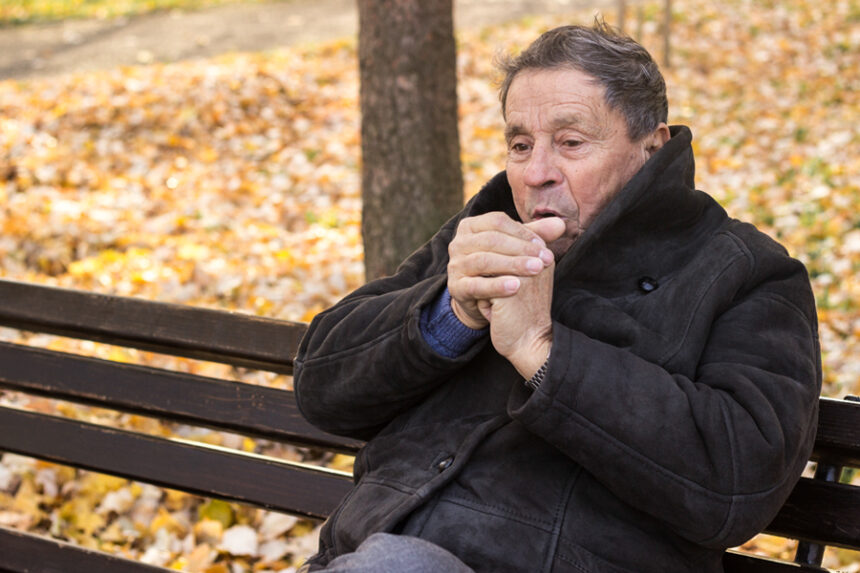
Taking the time to bundle up in layers of clothing and all your cold weather accessories can be annoying—especially if you have to get children dressed in all their gear as well—but it’s essential when temperatures drop.
Cold weather puts you at risk for hypothermia, when the core body temperature falls below 95 degrees Fahrenheit, and frostbite, which occurs when tissues in the body freeze. Frostbite typically occurs when temperatures are below 5 F, including windchill, but hypothermia is a risk during even mild winters.
“When it’s extremely cold, people will think more about the weather and layer up to avoid frostbite,” says UNC Health emergency medicine physician Laura Murphy, MD. “What’s dangerous about hypothermia is that it doesn’t have to be really cold to develop.”
Both conditions can cause serious health problems, but they’re also preventable.
Recognizing and Treating Hypothermia
The first sign of hypothermia is involuntary shivering.
“It’s a protective measure, because the body is trying to generate heat,” Dr. Murphy says. “As hypothermia gets more severe, the body will lose the ability to shiver.”
When the body temperature drops, it affects the functioning of all systems of the body, but that decrease in functioning will be hard for the person experiencing hypothermia to recognize.
“After shivering, the next symptom is cognitive impairment,” Dr. Murphy says. “The person might think and move more slowly and have loss of coordination. Their judgment can become impaired, and they can become confused.”
Left untreated, the person could lose consciousness and experience cardiac arrest.
It’s important to be aware of the risk of hypothermia even if it doesn’t feel that cold to you. Babies, young children and older adults cannot regulate their body temperature as well as healthy adults, and they may lack the ability to tell you they’re cold.
“Your 6-month-old or your 90-year-old grandmother are more vulnerable at temperatures where the average adult is fine, so be sure they have warm layers,” Dr. Murphy says.
That’s especially true if it’s raining, as getting wet makes it more difficult for the body to warm itself. Even indoors, infants and older adults can develop hypothermia if the heat isn’t working or they sleep in a cold bedroom.
To treat a mild case of hypothermia, remove wet clothes and layer on warm and dry clothes and blankets. If the person is able, they can drink a warm beverage, like tea. Don’t put them in a hot bath or next to a hot stove; rewarming them too quickly can affect the cardiovascular system and in some cases cause arrythmias, blood clots and cardiac arrest.
If someone is showing cognitive symptoms, call 911 and seek emergency care.
“Someone with mental changes or changes to speech needs to come in and be evaluated,” Dr. Murphy says. “It could be severe hypothermia, or something else could be going on.”
In the hospital, people with hypothermia are rewarmed slowly, often using specialized warming devices, and may be given warmed IV fluids or oxygen while doctors monitor their vital signs.
Recognizing and Treating Frostbite
Frostbite and hypothermia can happen together or on their own. Frostbite typically happens in near-zero temperatures and most often affects the fingers, toes, nose and ears.
“The cells of the body are made up mostly of water, so when it’s cold enough, little ice crystals form in the tissue, causing damage,” Dr. Murphy says.
When frostbite starts, the skin will turn red or purple and may be cold or painful. Then, skin can turn white or gray and may start to tingle. Eventually, skin becomes stiff and turns black. Blisters can form in severe cases. Left untreated, frostbite can cause permanent nerve damage, and the most severe cases require surgery to remove skin or amputation of a digit or limb.
“As it progresses, the skin will become numb, which is dangerous because you don’t feel ongoing tissue damage,” Dr. Murphy says.
If you notice signs of frostbite, get inside to a warm space and gradually rewarm the skin.
“Don’t use stoves or fires, because heating the skin too quickly can also cause damage,” Dr. Murphy says. “If your skin is numb, you won’t feel how hot something is and could burn your skin. Use warm, not hot, water or skin-to-skin contact, like putting fingers in your armpits.”
Make sure all your clothing is dry and warm your entire body with a blanket. Try not to rub your hands together; because that skin tissue is damaged, it’s sensitive. And don’t warm up only to go back outside.
“Warming and then refreezing is damaging to the tissue,” Dr. Murphy says.
If you noticed mild redness to the skin that improves with going inside, it’s OK to treat it at home. If skin begins to change color or blister, or if you have pain after warming, seek emergency care to prevent permanent skin damage.
How to Prevent Hypothermia and Frostbite
Fortunately, there are several ways to prevent hypothermia and frostbite:
- Pay attention to the windchill: Before you go outside, make sure you’ve checked the windchill or “feels like” temperature. It may feel colder than the actual temperature.
- Wear warm layers and cover exposed skin: Be sure to have an appropriate jacket and a hat, gloves, scarf and covering for your ears. If you’re traveling to a colder climate than you’re used to, be sure to research what you’ll need.
- Limit time outside in very cold weather: Even if you love to be outside in the cold to ski, hike or hunt, plan to warm yourself regularly.
- Have extra supplies in your car: Don’t get stranded in just a T-shirt. “Keep warm clothing, a blanket and an extra coat in your car in the winter in case it breaks down,” Dr. Murphy says. This is especially important if you might get wet in the rain.
- Don’t drink alcohol and go outside: Alcohol may seem like it warms you up, but it actually impairs your body’s ability to regulate its temperature, and it can also impact your judgment, so that you stay outside longer than you should.
- Know who is most vulnerable: In addition to the very young and the very old, and those without access to housing or shelters, other people are at increased risk for frostbite and hypothermia. Talk to your doctor about whether you take a medication or have a condition that may affect your experience in the cold.
“Some medications, like sedatives, opioids, some heart medications and antipsychotics, can impair the body’s ability to regulate temperature, so they’ll be more prone to effects in milder climates,” Dr. Murphy says. “People with conditions like diabetes or cardiovascular issues that affect circulation are also at higher risk.”
Need advice on staying healthy in winter weather? Talk to your doctor. If you need a doctor, find one near you.