Every 40 seconds, someone in the United States has a stroke. The majority of strokes are ischemic, meaning that blood flow to the brain becomes blocked, while some are hemorrhagic, which happen when a blood vessel in the brain bursts. Either way, cells in the brain can die, and more than two-thirds of stroke survivors are left with some type of permanent disability. Stroke is the fifth leading cause of death in the United States.
These are scary statistics, but here’s an encouraging one: About 80 percent of strokes are preventable.
“There are a lot of things we can modify to minimize your risk for a stroke, and an ounce of prevention is worth a pound of cure when it comes to your brain and stroke prevention,” says UNC Health neurologist Ming-Chieh Ding, MD, PhD.
More encouraging news: The healthy habits that help you prevent a stroke are the same that your doctor wants you to adopt to prevent many diseases, from heart attack to cancer. What’s important is beginning these habits as soon as you can.
“Some people think that stroke only happens to older people, but it’s never too early to take these things seriously,” Dr. Ding says. “Strokes are happening to young people, too, so starting prevention early is important.”
Stroke prevention tip No. 1: Eat healthfully and exercise regularly.
Obesity raises your risk for stroke in multiple ways. It’s a risk factor for many of the conditions that are themselves risk factors for a stroke, including high blood pressure, high cholesterol and diabetes. Even on its own, having extra weight can narrow your blood vessels, making it harder for blood to move around your body, including to your brain.
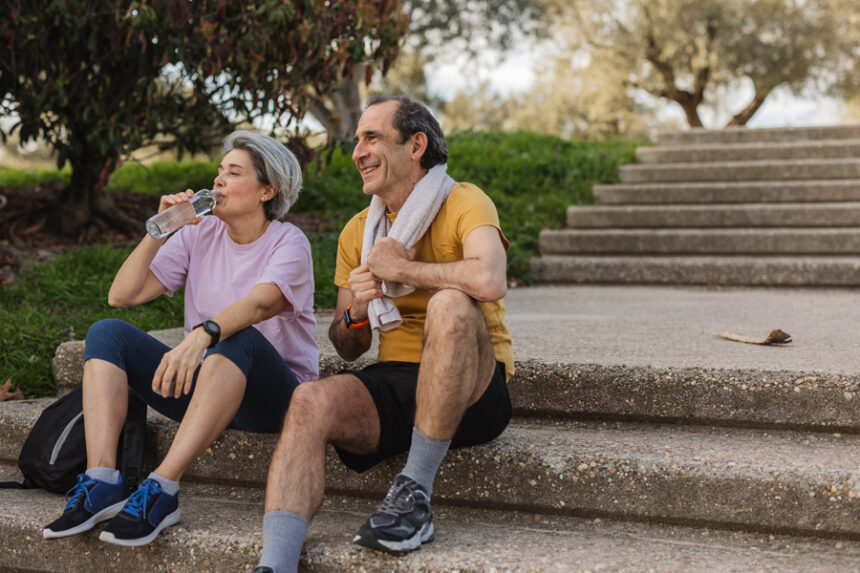
That’s why it’s important to eat a healthy, well-balanced diet and get regular exercise. If you haven’t been doing those things, start by picking one or two things to work on rather than making a complete overhaul. A reasonable goal might be switching out a sugary soda for a seltzer, starting a walking routine or eating fewer fast food meals.
“A lot of people try to make a transition where they go from zero to 60, and that rapid transition is hard to maintain,” Dr. Ding says. “It’s OK to start small and ease into these more beneficial habits.”
The Mediterranean diet, which emphasizes fruits and vegetables, whole grains, fish and olive oil, has been shown to reduce the risk of multiple conditions, including stroke.
When it comes to exercise, adults should aim for 150 minutes of moderate intensity aerobic exercise each week, but “don’t get too caught up on whether you’ve hit that specific number at first and just focus on getting some activity,” Dr. Ding says. “It’s about moderation. Don’t suddenly start training for a marathon if you haven’t been active.”
If you’ve had difficulty maintaining a healthy diet or finding exercise that you like, talk to your primary care provider. You may benefit from working with a dietitian; depending on your medical history, weight loss medications may help.
Stroke prevention tip No. 2: See your primary care provider regularly.
High blood pressure, high cholesterol and diabetes all raise your risk for stroke, but these conditions don’t immediately cause symptoms. That’s why annual visits with your primary care provider are so important—regular blood work will reveal if you have an issue that needs to be addressed with lifestyle changes or medication.
“See your doctor regularly, even if you feel fine,” Dr. Ding says. “Too many people don’t see a doctor until after they’ve had a stroke, when these things have cascaded.”
Tell your primary care provider if you’re struggling to get quality sleep or manage your stress.
“Stress and poor sleep are associated with an increased risk of stroke,” Dr. Ding says. “They are also associated with other stroke factors. For example, sleep apnea can contribute to high blood pressure and increase your risk of developing atrial fibrillation, which is a major stroke risk factor.”
Stroke prevention tip No. 3: Avoid tobacco and limit alcohol.
If you smoke, ask your doctor for resources on quitting.
“You can do everything else correctly, but your risk of stroke and heart attack will remain elevated if you smoke,” Dr. Ding says.
Heavy drinking increases your stroke risk because it impacts blood pressure and can cause atrial fibrillation. While some doctors used to recommend a daily glass of red wine for heart health, that advice is outdated.
“We now know that minimal, or ideally, no exposure to alcohol is the most beneficial,” Dr. Ding says.
Stroke prevention tip No. 4: Know the risk factors and signs of stroke.
Unfortunately, there are some risk factors you can’t change: age (stroke risk increases as you age), sex (men tend to have more strokes, though women are more likely to die from a stroke) and family history. Those risk factors intersect with the modifiable risk factors.
It’s important for everyone to know the symptoms and signs of a stroke. The acronym BE FAST is helpful:
B – Loss of balance or coordination
E – Eye/vision changes or loss
F – Face drooping or numbness on one side
A – Arm weakness or numbness
S – Speech difficulty
T – Time to call 911
“Time really is brain, so get treatment right away,” Dr. Ding says. “Any sudden change, especially symptoms associated with the BE FAST acronym, should put stroke at the forefront of your mind.”
Having a stroke increases the risk that you will have another, so part of your recovery will include secondary stroke prevention. That means you’ll be revisiting many of the things on this list, but your approach might be slightly different depending on your overall health.
For example, you might not be able to do moderate intensity exercise at first, or your doctor may have a more specific goal for your blood pressure. You might start taking an aspirin every day (this is no longer recommended for prevention of a first stroke).
“If you have experienced a stroke, we will provide you with world-class medical care and optimize your risk factors, but again, it’s never too early to start working on stroke prevention,” Dr. Ding says.
Talk to your doctor about your risk for stroke. If you need a doctor, find one near you.