Since she was a child, Sierra Sumner, 38, has grown small tumors inside her body. The cause is a genetic condition called neurofibromatosis type 1 (NF1) that causes neurofibromas, typically noncancerous pea-sized tumors, to form on or under the skin.
“Some people with NF1 have tumors outside of the body, but mine are usually internal,” Sumner says. “I look like I have nothing wrong, but I do have a lot of internal tumors.”
For years, Sumner has had regular MRIs to monitor these tumors, and most of the time, no action is needed.
“With my type of NF1, I don’t have to think about it too much,” Sumner says. “I’ll have random jolts of pain, but I can live a normal life, which was what my parents wanted for me when I was diagnosed.”
But two years ago, a tumor on the back of her right thigh started causing pain, and there was concern that unlike her other tumors, it could be cancerous. The size and location of the tumor, involving multiple nerves in her leg, made the prospect of surgery a challenge.
“They told me there was a risk that I could lose my leg if we didn’t remove the tumor,” Sumner says. “I’m already clumsy with two legs, so I worried I wouldn’t be able to walk.”
She felt reassured when she met UNC Health neurosurgeon Mark Attiah, MD, who specializes in surgeries for nerve tumors.
“He was very calming, and it was a great comfort to have someone at UNC Health who had done surgeries like this one before,” she says.
Tumors and Neurofibromatosis Type 1
NF1 is caused by a gene mutation; in about half of cases, a parent also has NF1. Sumner falls into the other half, people who developed the mutation spontaneously.
Symptoms of NF1 include:
- Neurofibromas
- Flat, light brown skin spots
- Clusters of freckles, typically in the armpit and groin
- Tiny nodules in the eye
- Bone problems, including scoliosis or reduced bone density
- Learning disabilities, in more than half of cases
Neurofibromas—those small tumors—can form on the skin, just under the skin or on the nerve. About half the time, they can become plexiform neurofibromas, meaning they affect multiple nerves as they grow; these tumors have a higher risk of becoming cancerous.
“Some people can have hundreds and hundreds of neurofibromas, but most of the time, they’re asymptomatic and benign,” Dr. Attiah says. “We only need to do surgery when they cause symptoms or if there’s a chance they could be cancerous.”
Sumner’s leg tumor met those qualifications.
“It was so big it was protruding,” she says. “It would hurt to sit or work out. Sometimes it felt like my leg would fall asleep, and I had trouble moving my foot up and down. I had a lot of stiffness, which doesn’t sound like a big thing, until you realize that it was my driving foot.”
Doctors biopsied the tumor before removal and testing showed that it was likely to become malignant.
Sumner spent her childhood traveling the world—Korea, Japan, Germany—because her parents were in the military, but since moving to North Carolina in 2014, she’s received care for NF1 at UNC Health’s Neurofibromatosis Clinic, which provides multidisciplinary care from neurologists, neurosurgeons, oncologists, ophthalmologists, geneticists and more.
“This is a relatively rare condition, but we’ve seen it at a lot at UNC because we have this multidisciplinary clinic,” Dr. Attiah says. “I’d recommend that if you have a diagnosis of NF1, you seek out a clinic like this where you can get attention from different specialists.”
Surgery for Neurofibromatosis
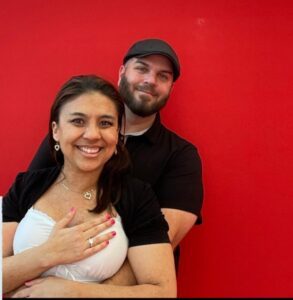
Dr. Attiah performed Sumner’s surgery in May 2025.
“I just tried to think positive, and not let my mind do its worst,” she says. “You can dig yourself into a dark hole, especially if you go on Google. I tried to remember that my doctor knows more than Google.”
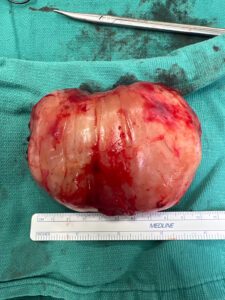
During the surgery, Dr. Attiah removed the grapefruit-sized tumor from her leg and several satellite masses that had grown nearby. Sumner was in recovery and had not yet woken up when her nurses realized that her blood pressure was dropping. The tumor took up so much space in her leg that once it was gone, a hematoma, or a collection of blood, formed in its place. She was taken back to surgery, and Dr. Attiah cleared the clots.
Despite that, Sumner says her recovery was easy. She stayed for one night in the hospital, didn’t require any prescription pain medications, and then did several months of physical therapy to rebuild strength she had lost when she couldn’t move her leg very well.
“With NF1, you have to work to maintain your muscles, because it causes weakness and you can break your leg,” Sumner says. “I’ve had no pain since the surgery so I’m able to exercise now.”
Sumner knows she may need other surgeries in the future, but this particular tumor probably won’t grow back, Dr. Attiah says.
“The possibility is slim, but if it does grow back, it’s slow growth,” Sumner says. “For the other growths in my body, we’ll keep an eye on them.”
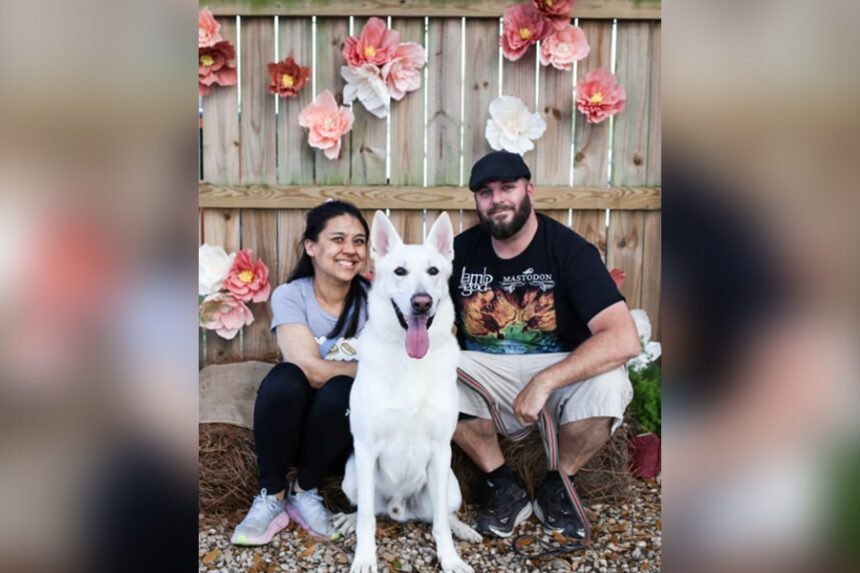
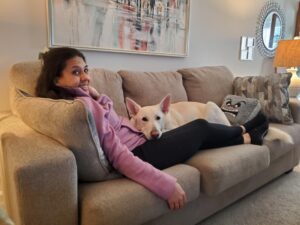
For now, Sumner is enjoying life with her fiancé and her dog. She works as a curriculum coordinator for a preschool and continues to deal with NF1 with a positive attitude.
“I’d also encourage people with a neurofibromatosis diagnosis to find a support group,” she says. “You need someone to reach out to. I had a strong support system, which really helped.”
Struggling with pain? Talk to your doctor or find one near you.