
This article originally ran June 30, 2020, and was updated March 3, 2026.
It goes without saying that vision is incredibly important. Our eyes allow us to read, work, play, navigate, and take in the beauty of nature and the faces of people we love.
That’s why it’s so important to protect your eye health. We asked UNC Health optometrist Kyra Dorgeloh, OD, for her top tips on eye care.
-
Get regular, comprehensive eye exams.
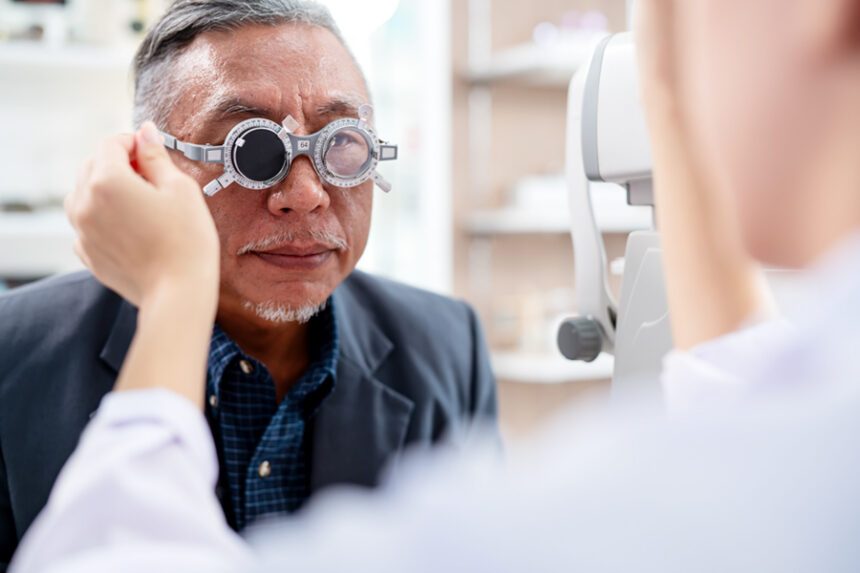
Don’t wait until you start noticing vision issues to have a comprehensive eye exam. During these exams, your provider will check your vision and the overall health of your eye.
“Many of the conditions we screen for don’t cause symptoms,” Dr. Dorgeloh says. “For example, glaucoma can cause irreversible vision loss, but in early stages, you don’t notice it. Glaucoma risk is one of the things we assess at every eye exam and early detection can prevent vision loss.”
Children need eye exams, too.
“I like to see kids before first grade, if there have been no previous concerns from pediatrician screenings,” she says. “In first grade, they’re learning to read and working with letters, and it’s important to screen for anything that could impact their learning.”
Ideally, children would continue to have eye exams every two years (more frequently if your doctor recommends them) for the rest of their lives, but if you haven’t had one in a while, you can get back on track as an adult.
“I often see people who come in around age 40 for their first eye exam because they are starting to need reading glasses,” Dr. Dorgeloh says. But get an eye exam before you buy over-the-counter readers. “We can recommend an over-the-counter version if that’s what you need, but if you buy the wrong glasses, they can cause discomfort, headaches and blurry vision.”
If you or your child is nervous about having an eye exam, share your concerns with your provider.
“We have ways to get the information we need that are tailored to be comfortable for you or your child,” Dr. Dorgeloh says. “These exams are very important to keep your eyes healthy.”
-
Maintain good eye hygiene.
Try to keep your hands away from your eyes. Rubbing your eyes can transfer bacteria or a virus from your fingers to your eye, your fingernail could scratch your eye, and enough repeated pressure could even damage the eyeball. If you use contact lenses, wash your hands before putting them in, and follow all of your doctor’s instructions for using them.
“There’s a lot of marketing that says you can sleep in contact lenses, but talk to your doctor first,” Dr. Dorgeloh says. “Sleeping, showering and swimming in contacts can increase the risk of infection.”
It’s important to dispose of your lenses as directed. Dr. Dorgeloh recommends disposing of contact cases monthly because bacteria can grow in them.
If you wear eye makeup, be sure to gently and completely remove it each time you wear it. If you let any debris build up on your lid or lashes, it could get into the eye and cause an infection.
-
Know your family history and manage other health conditions.
As with many health concerns, your family history and genetics affect the health of your eye.
“Ask your family members about any history of eye disease, such as glaucoma, macular degeneration or early vision loss,” Dr. Dorgeloh says. “And if both parents have prescription glasses, know that this increases the likelihood that a child will need correction as well.”
If you have a family history of vision concerns, you may need more frequent screenings to detect these issues before symptoms start and irreversible vision loss has occurred.
Knowing if you’re at risk for other health issues is important. Diabetes, high blood pressure and some autoimmune conditions can affect the health of your eyes. If you’ve been diagnosed with one of these conditions, it’s important to take any prescribed medications and maintain regular visits with your doctors. If you have diabetes, for example, you’re at increased risk for diabetic retinopathy if your blood sugar is uncontrolled.
-
Take breaks from screens.
Do you work on a computer all day, only to scroll on your phone and watch television all evening? You need to build in breaks from all those screens.
“Screen time can cause eye fatigue and exacerbate dry eye symptoms,” Dr. Dorgeloh says. “Take a break every 20 minutes and look at something far away for at least 20 seconds.”
Blue light glasses can make you more comfortable looking at screens for a long period of time, but they aren’t a substitute for regular breaks.
Be mindful of when you’re extremely focused on your task or show.
“We blink less when we’re looking at screens, so remember to blink and take breaks,” Dr. Dorgeloh says. Blinking is essential to keeping the eye lubricated.
-
Wear eye protection.
Your eyes are exposed to the sun like your skin is, so they need protection, too.
“UV exposure plays a role in many eye conditions—cataracts, macular degeneration, even some eye cancers,” Dr. Dorgeloh says. “Look for sunglasses with 100 percent protection from UVA and UVB rays, and wear them year-round, not just in the summer.”
If you or your child play sports, consider wearing protective eyewear. With sports like basketball, baseball or softball, racquet sports, hockey and lacrosse, there is a higher risk of trauma to the eye from another person or a piece of equipment.
You may want to keep safety glasses or goggles in your home.
“Most people think about safety glasses at work, but they’re also needed for a lot of tasks in your home, too, like painting, gardening, mowing, working on a car,” Dr. Dorgeloh says. “With all of those, something small could get into your eyes.”
-
Maintain other healthy habits.
Your work maintaining your overall health benefits your eyes, too.
“A healthy diet with a large variety of fruits and vegetables will help your overall health as well as provide vitamins and antioxidants that benefit your eye health,” Dr. Dorgeloh says.
Carrots get a lot of attention as an eye-healthy food—they’re high in beta carotene, which the body converts into vitamin A—but Dr. Dorgeloh says it’s helpful to think about eating the entire rainbow of fruits and vegetables to make sure you get all the vitamins your eyes need. Leafy greens and berries are good for the eyes, too.
A good night’s sleep allows your eyes to rest and reset, so talk to your doctor if you’re experiencing ongoing sleep issues. Smoking, in addition to being harmful to your lungs and heart, can hurt your eyes; ask your doctor if you need resources to quit.
Regular exercise is also important.
“Daily activity not only helps your overall health, but it also can give you a break from screens and let your eyes rest,” Dr. Dorgeloh says.
Questions about your eyes? Talk to your doctor or find one near you.