
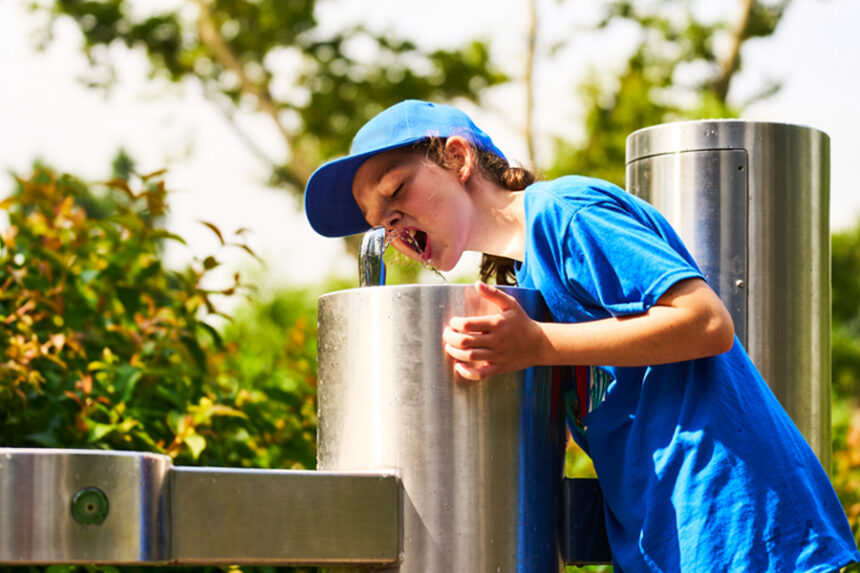
There’s a reason why everyone tells you to drink water—hydration supports everything your body does, from regulating body temperature to protecting your organs to removing waste.
“Hydration supports your blood flow, carrying nutrients, oxygen and energy around the body,” says UNC Health emergency medicine physician Smeet Bhimani, DO. “When you’re dehydrated, that puts stress on your blood pressure, heart and brain. It affects your ability to think and expend energy.”
You lose about 10 cups of water throughout the day, due to sweating, breathing and urine and bowel movements—even more if you’re doing intense workouts. When you lose more fluid than you take in via water and other beverages and foods that contain water, you’re dehydrated. Dr. Bhimani explains how that can affect your body and how to feel better.
Here are five things to know.
1. Dehydration can happen any time of year.
You may be mindful about hydration in the summer, when the heat causes you to sweat more, but dehydration is a year-round problem.
“In the winter, you might be in a heated room wearing layers, and if one of the layers is wicking away a lot of sweat without you noticing, you can become dehydrated then, too,” Dr. Bhimani says.
If you’re sick, you’re at high risk for dehydration. When you don’t feel well, you tend to eat and drink less, and if you have an illness that includes vomiting or diarrhea, you’re losing even more water.
Sweaty workouts, alcohol consumption and high altitudes also can contribute to dehydration, but all it takes to become dehydrated is not drinking enough water.
“You can just be sitting at your desk and not taking in enough water and start to notice early signs,” Dr. Bhimani says.
While water is the best thing to drink, you don’t have to forgo drinks like coffee or tea.
“These drinks are mild diuretics, but as long as you’re not chugging them all day, you’ll probably take in more water than you’ll pee out,” Dr. Bhimani says.
2. Thirst is a symptom of dehydration, not just a warning sign.
If you’re only drinking water when you’re thirsty, you’re waiting too long.
“When you feel thirst, you’re already slightly dehydrated,” Dr. Bhimani says. “It’s not the first sign or even an early sign.”
Early symptoms include headache, difficulty focusing and dry mouth and lips.
“Your urine will change and get darker,” Dr. Bhimani says. “Most of the time, your urine should be the color of lemonade, but this might look like the color of apple juice. As it goes on, you might start making less urine as your body tries to conserve fluid.”
If more time passes without hydration, you may feel dizzy, fatigued and lightheaded and experience muscle cramps. Then you may feel lethargic or confused or pass out because your blood pressure drops with dehydration.
3. Some people are at higher risk of dehydration.
Babies, children and people 65 and older are at higher risk of dehydration and may experience severe symptoms earlier than other groups.
“They may skip very quickly to the end of the spectrum with symptoms like lethargy, passing out, confusion or an altered mental state,” Dr. Bhimani says. “In babies, look for crying without tears or if they’re not producing wet diapers. They need to have at least three wet diapers in 24 hours.”
Older people tend to experience a declining sense of thirst and may not realize they’re becoming dehydrated until it’s too late.
Diuretics, also known as water pills, are medications that pull extra fluids from the body into the urine; they’re prescribed for conditions such as high blood pressure, heart failure and kidney failure and can increase your risk for dehydration.
Dr. Bhimani says he’s also seeing more people on GLP-1s, glucagon-like peptide-1 receptor agonist drugs such as Ozempic or Wegovy, experience dehydration.
“You can experience blunted thirst with these medications, and you eat less because you’re not as hungry,” he says. “We get about 20 percent of our hydration through food, so it sets you up for dehydration. Drink much more water if you’re on a GLP-1.”
Pregnant women should also increase their water intake because they’re expending more energy to carry the baby.
4. Sip water slowly when you’re dehydrated, and seek medical care if symptoms don’t improve.
When you realize you’re starting to experience dehydration, it can be tempting to chug a cold bottle of water as fast as you can. That will make you feel worse.
“Take small, continuous sips of water so that you don’t get nauseous,” Dr. Bhimani says. “Some people will reach for a sugary drink, like soda, but that will make you more dehydrated.”
If water and rest don’t ease symptoms of dehydration, meaning you’re not peeing or your urine is still very dark, or you’re dizzy, confused or fainting, or if you’re at higher risk for dehydration because of your age, a medication or medical issue, go to urgent care or a hospital emergency department. There, you can receive nausea medications and IV fluids for rehydration.
5. Not everyone needs electrolytes when they hydrate.
Electrolytes are minerals (most notably sodium, calcium and potassium) that help to keep your body hydrated. Like water, we tend to lose these through sweat, urine, bowel movements and vomit.
There are many drinks and packets that contain electrolytes, but you typically get enough without buying special products.
“For most people, plain water and regular meals are just fine,” Dr. Bhimani says. “Some of these electrolyte drinks are very sugary, which can make you feel worse.”
Some electrolytes are components of salt, and if you take in too much salt when you don’t need to, “it draws fluid into the gastrointestinal tract, which can make you more dehydrated,” Dr. Bhimani says. “The excess sugar or salt can make you feel like you have a stomach bug.”
You do need to be concerned about electrolytes if you’re an athlete or doing long, strenuous workouts that involve a lot of sweating, if you have a job where you sweat a lot throughout the day (such as construction or landscaping) or if you have a stomach bug that’s causing vomiting or diarrhea.
Children are more likely to need electrolytes, especially if they’ve been ill; Pedialyte is a good option.
If you do reach for a product with electrolytes, watch the sugar content, and remember that you don’t have to buy them—plain water and a balanced diet will keep you hydrated year-round.
If you have questions about hydration, talk to your doctor or find one near you.