
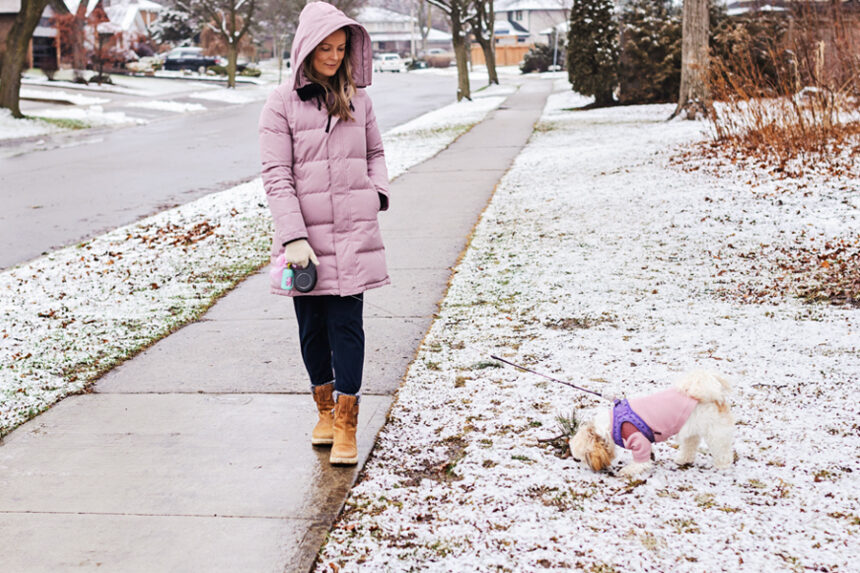
Maybe you have big outdoor plans for this winter—ice skating, skiing, building a snowman with your kids—or maybe you’re the kind of person who likes to stay inside under a cozy blanket and wait for warmer weather to return.
Either way, there are steps you can take to make it through the season without a trip to the emergency department. We talked to UNC Health emergency medicine physician Katie Davenport, MD, about the common reasons people need emergency care in the colder months and how to keep you and your family safe.
Winter Health Risk: Falls
Slipping and falling on ice is a common reason for emergency department visits, Dr. Davenport says.
Be aware of freezing temperatures and walk carefully. If possible, put de-icing salt on your steps, driveway or walkways before a storm. Know that a surface can be icy even if you can’t see the ice.
“Falls can happen when people are rushing when it’s wet and icy,” Dr. Davenport says. “Slow down and wear appropriate shoes, like boots with a grip, rather than tennis shoes, which can cause you to slip. If you have mobility issues or use an assistive device to walk, go slow and ask for extra help.”
These kinds of falls often affect wrists, ankles, knees and heads, Dr. Davenport says. If you hit your head, seek emergency care to be assessed for concussion or bleeding in the brain. You’ll also need medical attention if you’re in severe pain, unable to move the affected part of the body or put any weight on it, or see significant swelling.
Winter Health Risk: Respiratory Illness
Winter brings respiratory viruses, including flu, COVID-19, RSV and whooping cough. Each year, children and adults experience complications such as difficulty breathing, dehydration and chest pain, which require emergency care.
“We’re indoors more often and around more people, so wash your hands frequently and get your flu vaccine, which reduces the risk of getting really sick,” Dr. Davenport says.
Talk to your doctor about other vaccines you may be eligible for, such as the COVID-19, RSV and Tdap (whooping cough) vaccines. These vaccines are especially important if you have another condition that would put you at high risk for complications from these diseases, such as heart and lung conditions, kidney disease, diabetes, obesity, an autoimmune disorder or a compromised immune system.
Winter Health Risk: Car Crashes
Car accidents happen year-round, but a combination of winter weather and more people on the roads for winter holidays can be especially dangerous.
“If you don’t have experience driving in snow or ice, stay off the roads,” Dr. Davenport says. “The risk of an accident is so much higher if you’re not used to this style of driving.”
If you do drive, make sure your car is winter-ready by getting it inspected and having a full tank of gas, a spare tire and, if you’ll be encountering deep snow, tire chains. Keep an emergency kit with water, food, warm clothes and a blanket in the car in case you get stranded. Make sure your cell phone is charged in case you need to reach emergency services.
When there’s more traffic on the roads, such as during the holidays, be sure to go slow and give yourself extra time to reach your destination safely. Never drive after consuming alcohol, and put your phone away so you won’t be distracted.
Winter Health Risk: Burns and Carbon Monoxide
Electric space heaters can be helpful when it’s cold outside, but use them with care.
“When they’re too close to the skin, they can cause burns,” Dr. Davenport says. “Don’t put them right by the couch or bed as they can start a fire.”
Check that your space heater is safe to use indoors. Kerosene and propane heaters require many extra precautions because of the risk of burns and fires as well as carbon monoxide poisoning. Make sure your smoke and carbon monoxide alarms are working.
If you’re using a wood-burning stove or fireplace, be sure the unit and the chimney are cleaned each year, use a screen, and teach children about the danger of getting too close to the fire. Never use your kitchen oven to warm your home.
Winter may find you in the kitchen more often, so be careful about burns from hot pots and pans.
“If you get a burn that goes all the way around your finger or arm, that can reduce circulation to the digit or arm and needs examination,” Dr. Davenport says. “If the burn is blistering, or very deep so that you can’t feel much, that’s also a cause for evaluation.”
If you have other health conditions such as diabetes that would put you are greater risk of infection or poor healing, you should also have the burn examined.
Winter Health Risk: Cuts
You might be opening extra packages this time of year or chopping loads of vegetables for your holiday meal. Focus carefully any time you have a knife in your hand; if you’re not mindful of what you’re doing, you could cut yourself.
“Cuts on the hand can be really tricky because there are a lot of tendons and small muscles in the hand that are important for function,” Dr. Davenport says.
If your wound is still bleeding after applying pressure for 20 to 30 minutes, you may need stitches. Any strange feelings in the fingers or hands, such as numbness or tingling, are also a cause for medical evaluation.
Winter Health Risk: Heart Problems
Heart disease tends to rise in winter months, thanks to a combination of the holidays (you may be more stressed and indulging in richer foods and alcohol), respiratory viruses and the cold.
“In cold weather, the blood vessels constrict, and that makes the cardiovascular system work harder,” Dr. Davenport says. “Being outside in the cold temperature will strain the heart, and then any activity—the classic example is shoveling snow—will cause additional strain.”
If you know that you have a heart condition, talk to your doctor about whether it’s appropriate for you to exercise outside in the winter months. Ask for help if a major outdoor project, such as snow shoveling or decorating, needs to be done.
Never ignore symptoms of a heart attack, which can include chest pain, back pain, arm pain, pain in the jaw and nausea. Call 911 or go to an emergency department right away.
Winter Health Risk: Hypothermia and Frostbite
Be sure you’re dressed properly before heading outside in cold weather. That means warm layers, including a base layer that will wick moisture away from your skin, a warm coat, gloves and a hat that covers your ears.
Hypothermia can occur when your core body temperature falls below 95 degrees Fahrenheit, and it doesn’t always require extremely cold temperatures. It starts with shivering, but then can cause cognitive changes such as confusion and drowsiness.
Frostbite affects exposed skin, turning it red and then white or gray, and it can cause permanent tissue damage.
“Kids and older people are more prone to these conditions, so make sure to layer and dress them appropriately,” Dr. Davenport says.
Getting wet while cold is particularly dangerous.
“If your kids are playing outside, make sure to get their wet clothes off as soon as they come in, and change their socks and keep their feet dry,” Dr. Davenport says.
Winter Health Risk: Exercise Injuries
Exercise is a wonderful new year’s resolution, but be careful about starting a new routine if you’ve been sedentary.
“A lot of people make the mistake of going too hard, too fast, and that can strain the heart and muscles,” Dr. Davenport says. “Build up gradually by walking a few times a week.”
In addition to straining your cardiovascular system, too much intensity when you’re not ready for it can increase your risk of injury, and that will reduce your desire to continue with this healthy habit. Start small, and those efforts will add up.
For more tips on staying healthy this winter, talk to your doctor. If you need a doctor, find one near you.