
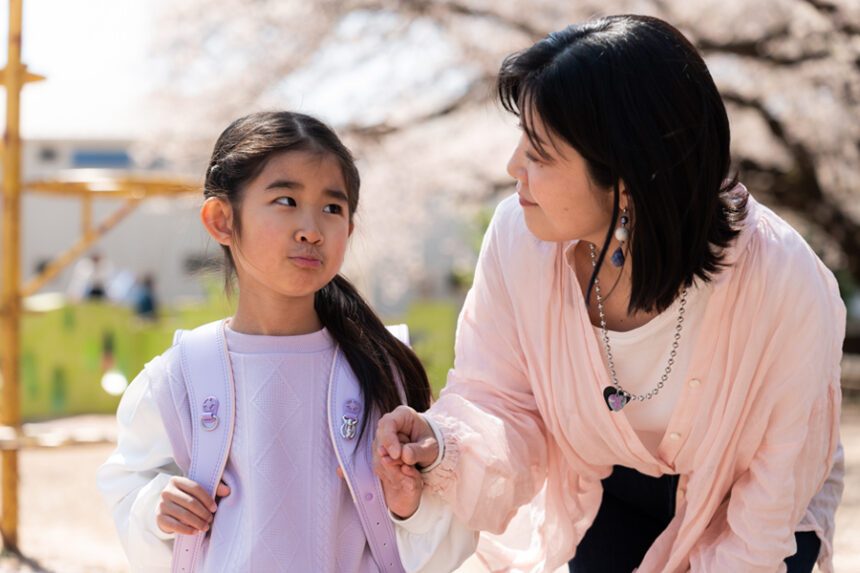
A new school year is always an adjustment, but starting a brand-new school is an extra big change for kids.
Maybe your preteen or teen is starting middle school or high school in new buildings but with familiar friends, or maybe a move has them starting a new school entirely on their own.
Every child responds to starting a new school differently. For some, it might be no big deal; for others, it’s a major stressor.
We talked to Katherine Everett, psychoeducational consultant at UNC Health Child and Adolescent Psychiatry at Prestwick, about ways to support your child through this process.
-
Acknowledge and validate your child’s emotions.
You may be really excited about your child’s new school, particularly if their old school wasn’t the best fit for them academically or socially, but it’s important to acknowledge if your child doesn’t feel the same. They may be sad or anxious about the change.
“When a parent says, ‘I understand that you’re sad about this,’ it helps your child know that you recognize how they feel, and that can bring some comfort, awareness and security,” Everett says.
When you validate their emotions, your child might be more open to your suggestions about making new friends or getting used to a new building.
If your child is upset because they left old friends behind to start this new school, set some playdates for them to get together; if it was a long-distance move, encourage texts and phone calls to keep the connection. If you can, identify kids who will be attending their new school who they may already know from the neighborhood or their old school.
Even if your child is excited about their new school, there will likely be some anxiety and fear about the unknown—that’s where the next step can help.
-
Help your child learn all about their new school.
Before the first day, take your child to their new school so that they’re familiar with their new environment.
“Attend the open house or any back-to-school meetings so you can get more information about the school and the people,” Everett says. “Meeting the teachers, principals and counselors will give you and your child more information about the culture and the community.”
Younger kids may benefit from more than one visit.
“You might drive them by their school so can see what the new school looks like, where the buses will be stopping or where the playground is,” Everett says.
Talk about rules or guidelines that might be different from what your child is used to. If they previously went to a school where they could wear whatever they wanted but now they’re going to a school that requires uniforms, they’ll need time to get used to that idea. If their previous school allowed phones in the classroom but their new one doesn’t, make sure they understand the rules so they don’t get in trouble.
It can be reassuring for you and your child to talk through what their schedule will be at their new school.
“When they know what their day is going to look like, that can help the child feel less anxious, and it will help you as the parent to know what your child is doing,” Everett says.
If your child is worried about being separated from you in a new environment, reassure them that the school has your contact information and that you know how to contact the school, too.
-
Rely on routine.
All children, whether they’re going to a new school or not, benefit from a predictable routine. Start by reestablishing their school sleep schedule in the two weeks before the first day, if possible.
“Get back in the routine of waking up at a designated time, getting dressed, having a meal, taking meds on time, so they’re used to that before the first week of school,” Everett says.
Use the new school year as an opportunity to review and reset things that may need adjusting in your child’s schedule, from screen time limits to how they keep track of assignments. Clean out the old book bag and make sure your child has the materials needed for the new school year.
A routine can be a stabilizing element when everything else is changing.
“Routine and schedule can be very important to regulate a child, so it can help make that transition successful,” Everett says. “Some children may benefit from a visual schedule, so that they can make the connection for when they play, study and go to bed.”
-
Pay attention to your child’s communication after the first day.
Once school starts, it will be time for more conversations.
“Be sure you’re taking time to talk to your child about their day,” Everett says. “Try to ask questions beyond ‘How was your day?’ and ask about who they talked to or what part of their day went well.”
Younger children may not be able to easily articulate a problem at school, and preteens and teens can be reluctant to talk to parents, so try to look at behaviors and moods as well.
“If a child is in a bad mood and balls up their homework papers, that can show they’re anxious or frustrated,” Everett says. “Take some time to offer help. It could be that they don’t understand their assignment and can’t do the work. It could have been a bad peer interaction. Preteens and teens are going through a lot of hormonal changes.”
Your child’s teachers can help determine if your child needs extra support to do the work or if they’re struggling to connect with others.
-
Know that the transition might take a while.
While you and your child may be really focused on getting through the first few weeks at a new place, they will be adjusting to their school throughout the year. They could be really happy at first and then have setbacks later—maybe they miss a major event at their old school or struggle with tests at their new school.
Rely on the routine during the tough times: Keep bedtime, wakeup times, breakfast and other parts of the school day as consistent as you can.
As a parent, you may feel that these negative feelings come out of nowhere, which is why it’s important to remember that the process of adjusting to a new environment will take a while.
“When kids lash out, some parents lash right back or don’t see when they’re pushing too hard,” Everett says. “If you’re seeing your child is really upset or sad, validate and ask how you can help. Kids can put a lot of pressure on themselves. Monitor those expectations and encourage success one step at a time.”
If your child needs additional support in adjusting to a new school, talk to their doctor, teacher or a mental health professional about resources that could help your family.
If you have concerns about how your child is managing a transition, talk to their doctor or find one near you.